Sharing work online
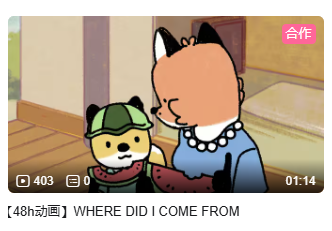
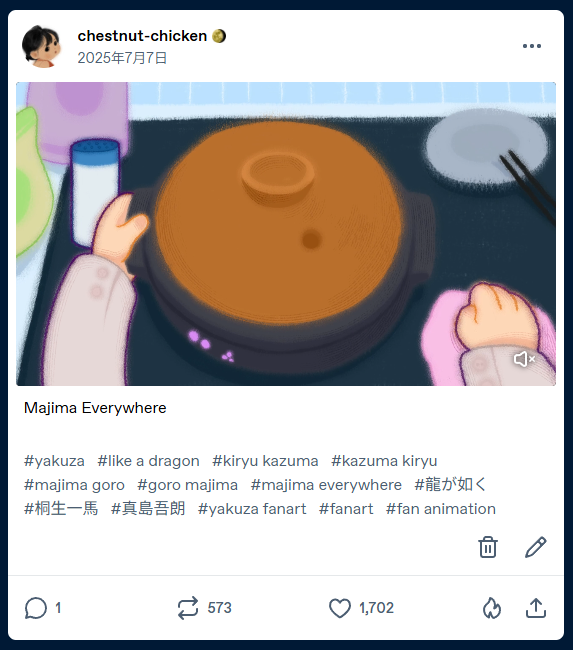
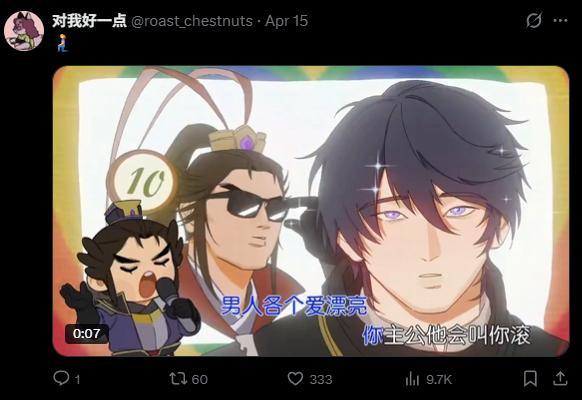
Besides college projects, I have always shared my work online through platforms such as Bilibili, Tumblr and Instagram.
At first, I mainly treated these platforms as places to share hobbies, fan works and personal interests.
Over time, I realised that online presence has become an important part of many animators’ professional development.
Different platforms, different audiences
Especially within independent animation and short-form content, many creators build audiences through social media.
I noticed that different platforms encourage different kinds of interactions. Tumblr and Instagram place more focus on visual style and personal branding. Bilibili creates stronger audience interaction and makes long-term engagement easier.
Because of this, I became more aware that publishing work is not only about uploading finished projects.
It is also about understanding audiences and how people experience work online.
Fan works and audience feedback
I also started paying attention to what kinds of projects spread more easily online.
Compared to larger original projects, shorter animations, emotionally clear stories, or fandom-related works often attract attention more quickly. This changed how I think about fan works and original projects. Previously, I saw fan works mostly as hobbies. Now, I think they are also valuable creative practice and a way to communicate with audiences. Original projects are often difficult to promote at the beginning.
Because of this, I started wondering whether fan works can sometimes act as a bridge, helping creators find audiences before introducing more personal projects. I have created several short fan animations myself. Although they were small projects, they allowed me to receive feedback very quickly.
I realised that immediate audience responses can help creators understand pacing, emotions and character performance much faster. This kind of feedback feels different from classroom feedback.
Building a creative identity
At the same time, I realised that professional identity is not only about the work itself.
It is also about how work is presented. I noticed that audiences from different places sometimes react very differently to the same work. Showreels, social media pages, portfolio layouts and even business cards can influence how people understand a creator.
Because of this, I started thinking more seriously about what kind of creative identity I want to build.
Reflection
Networking still makes me nervous. However, I slowly started understanding that online presence is no longer only about promotion.
For many creators, it is also a way to build communities, understand audiences and create a long-term creative identity. I still do not fully know what my professional identity looks like. But I think I am slowly building one.
Leave a Reply