Animation is not only drawing
Before starting my graduation project, I mostly understood animation as drawing and making scenes.
I focused more on character acting, shot design and visual style.
However, while developing El’s Map independently, I slowly realised that production and communication are just as important as animation itself.
Working with other people
This project was my first time working closely with people from different roles, including a composer and voice actors.
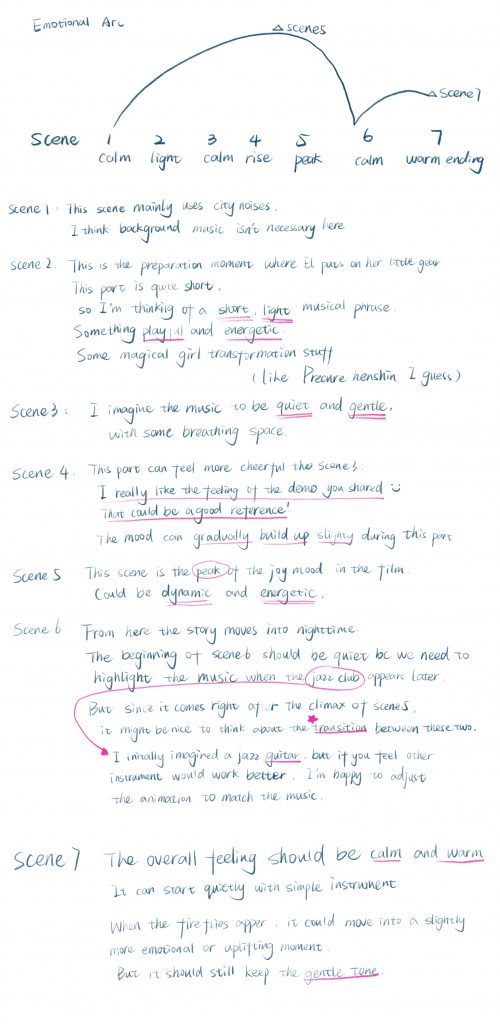
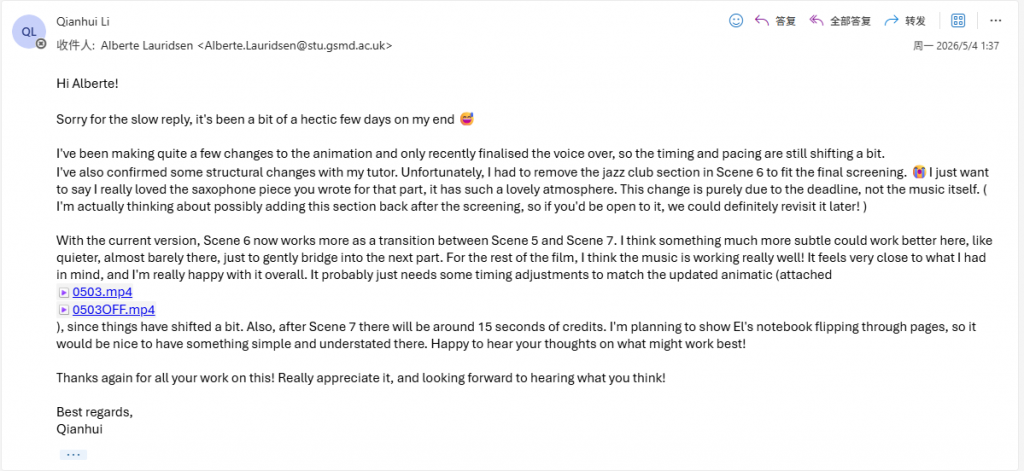
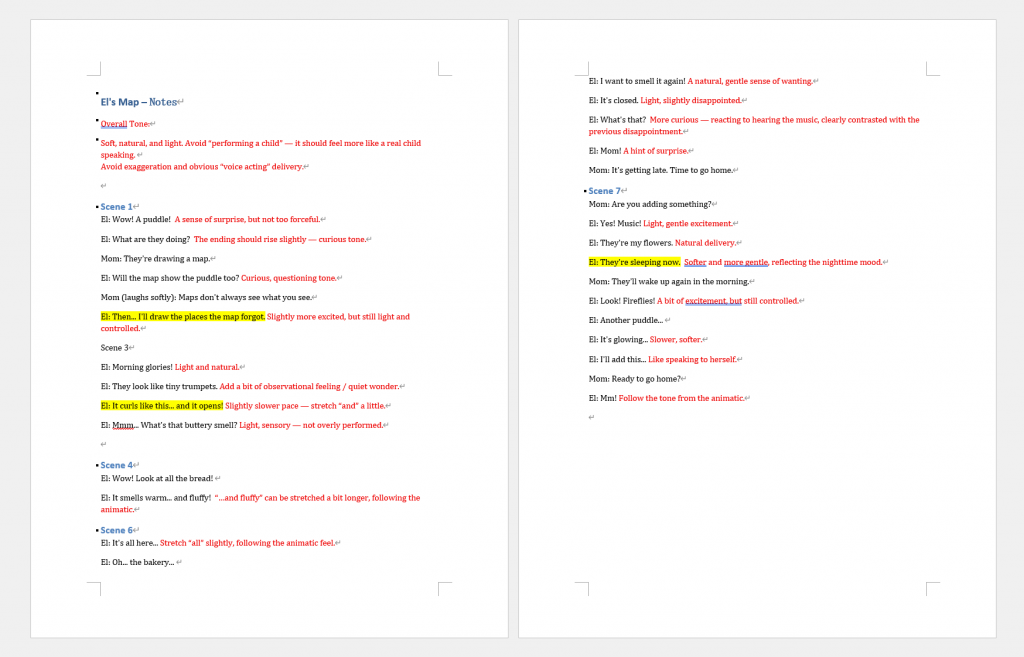
Because El’s Map relies heavily on atmosphere and emotions, music had a big influence on the film. I needed to organise the emotions, rhythm and references for each scene, then communicate these ideas through notes, references and emails. I realised that simply saying “I want warm music” was not enough.
The more difficult part was learning how to explain abstract feelings clearly.
Before starting production, I also had a meeting with my composer. At first, I did not think this meeting was very important because I had already written detailed notes. As someone with social anxiety, meeting new people is also not something I naturally enjoy.
However, the meeting was actually very pleasant. At the end, my composer told me that the purpose of the meeting was not really to discuss work in detail, but simply to meet and communicate. This made me realise that collaboration is not only about exchanging information.
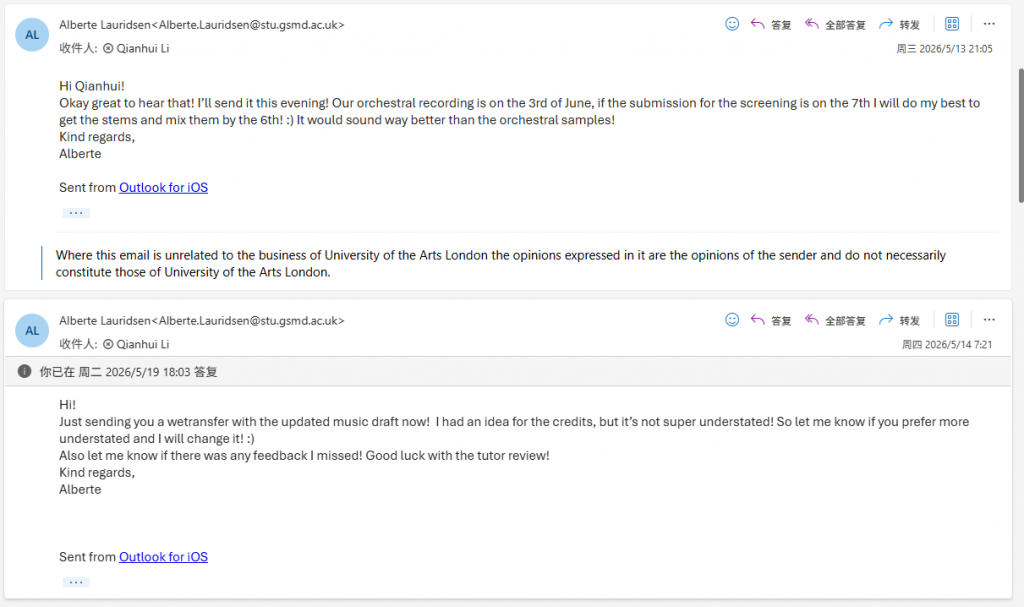
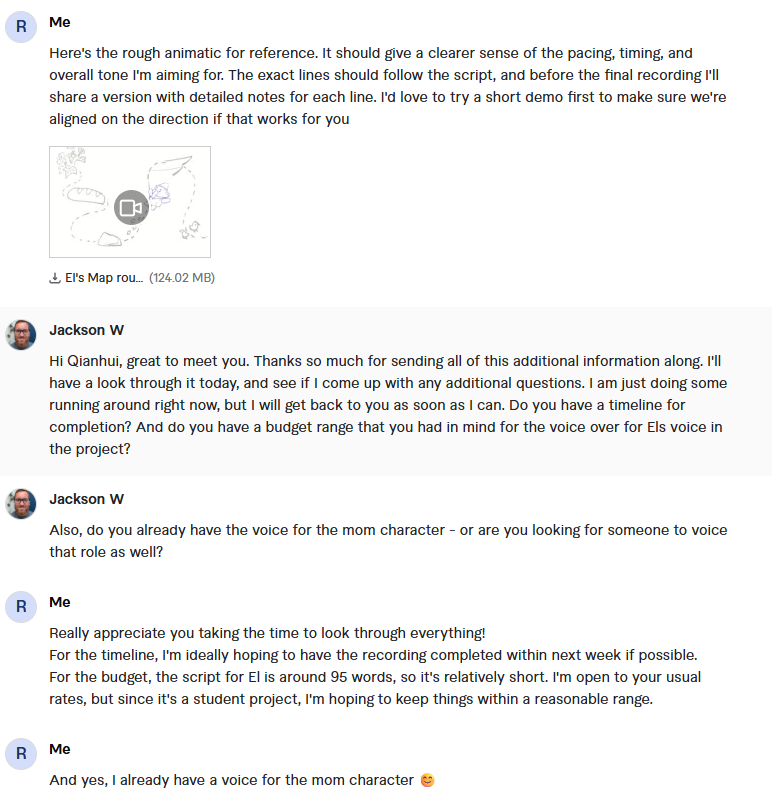
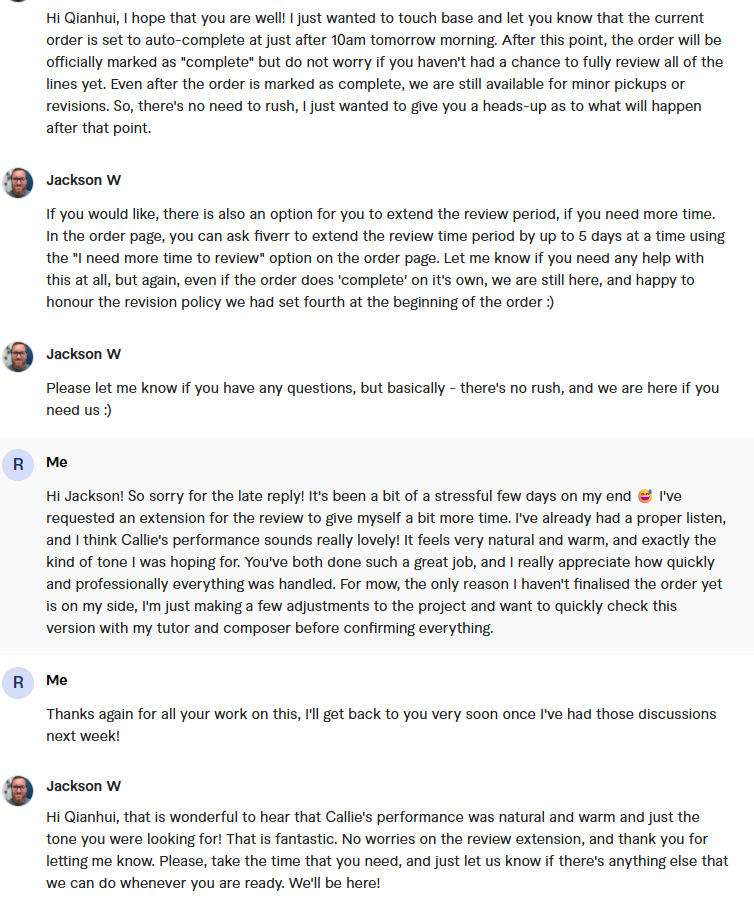
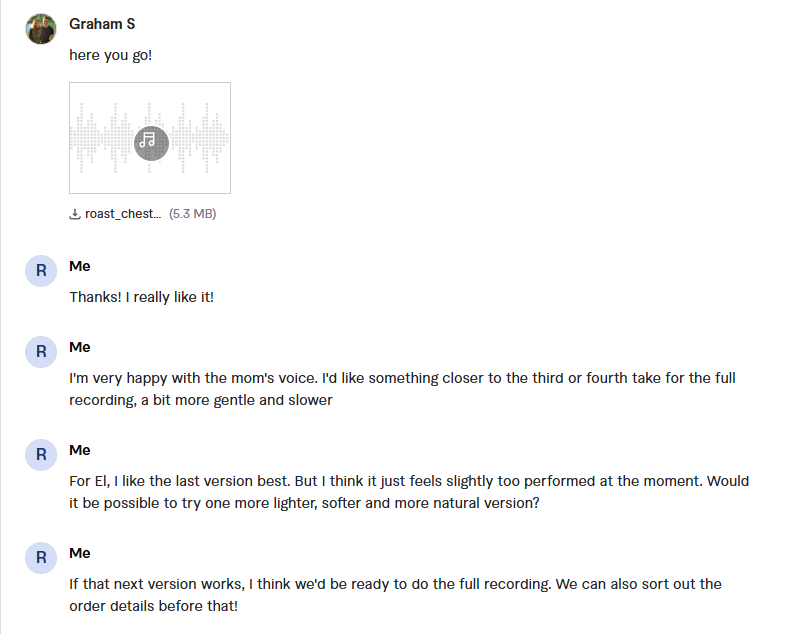
At the same time, this was also my first time searching for child voice actors. I wanted El’s voice to sound natural instead of overly exaggerated or cartoon-like. Because of this, I spent a long time listening to different auditions and thinking about how to give direction. I started to realise that directors are not only responsible for images and scenes. They also need to help performers understand the characters and emotions of a project. Something I did not expect was that the first child actor I selected could not achieve the performance I wanted during the actual recording sessions. Eventually, I had to search for another voice actor. This process cost much more time than I expected. I knew problems like this were normal, but I did not leave enough time for them.
Learning production and revision
This experience made me realise how important timeline management is. Animation projects change constantly. During the animatic stage alone, I went through many revisions. Sometimes the rhythm felt wrong. Sometimes emotions were unclear. Sometimes the music and visuals no longer worked together. Previously, I saw revision as failure. Now I see revision as a normal part of animation production.
I also realised that independent animators often need to take on many different roles. During this project, I was not only making animation. I was also creating schedules, organising references, managing files, communicating with collaborators and constantly adjusting production plans. This helped me understand production workflows much more clearly.
Reflection
Although frequent communication and organisation still make me nervous, this project helped me slowly become more comfortable with collaborative production.
I realised that whether I become a director or an independent creator in the future, communication skills and organisation skills may be just as important as drawing itself.
Leave a Reply