Recently Chengdu Coco Cartoon just released their second Nezha movie and its box office has already come to 12 billion. There are lots of animated works based on the story of Nezha, and each with different focus.
In the following content, I will take Nezha as an example to explore how the same mythological character or story has evolved in animation across different periods. By examining changes in background, artistic style, and animation techniques, I will also try to analyze how their core spirits and meanings transformed over time.
The Origins of Nezha: A Hero Born from Rebellion
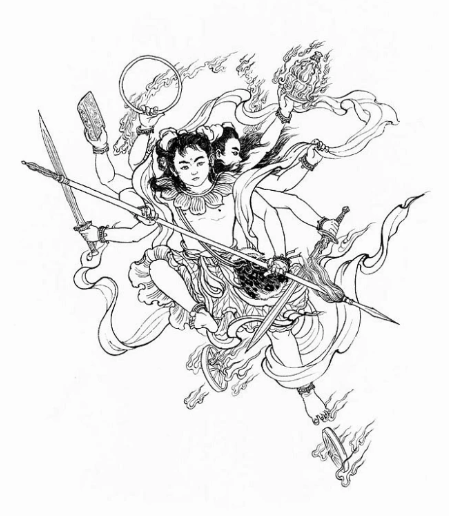
Nezha is a protection deity in Taoism and Chinese folk religion. He plays an important role in both the famous novels Fengshen Yanyi and Journey to the West. And his core image is that of a young hero.
https://bkimg.cdn.bcebos.com/pic/267f9e2f070828381f3097503ac1be014c086e065b64?x-bce-process=image/format,f_auto/watermark,image_d2F0ZXIvYmFpa2UyNzI,g_7,xp_5,yp_5,P_20/resize,m_lfit,limit_1,h_1080
Analysis of Different Versions of Nezha Animation
1979’s Nezha Conquers the Dragon King: Traditional Heroism and Self-Sacrifice
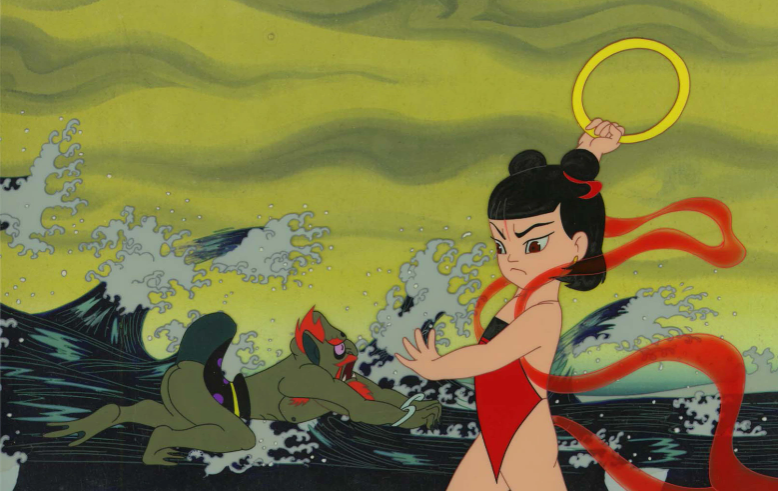
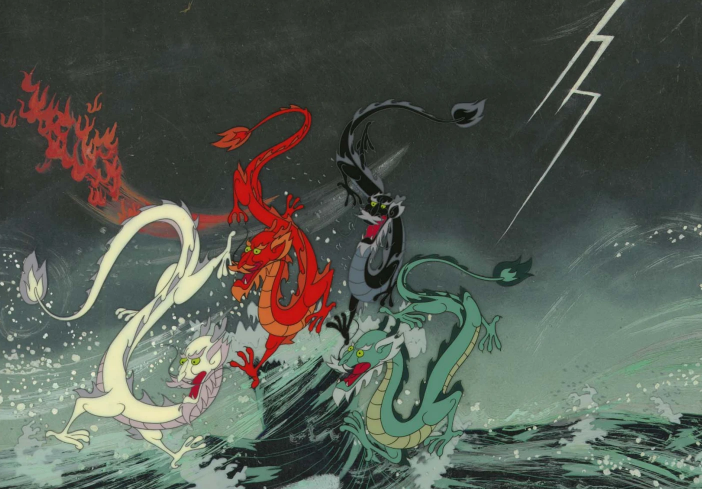
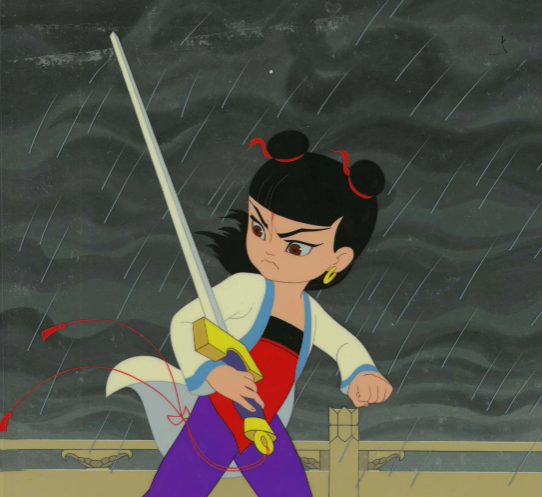
Nezha Conquers the Dragon King is a 1979 animated fantasy film produced by Shanghai Animation Film Studio. It uses ink wash animation and traditional Chinese painting techniques, blending with Chinese opera elements to create a unique style.

https://upload.wikimedia.org/wikipedia/en/e/ec/Nezha_Conquers_the_Dragon_King%2C_Prince_Nezha%27s_Triumph_Against_Dragon_King_1979_Movie_Poster.jpg

It is based on the traditional story of Nezha bravely fighting against the tyrannical dragon king, ultimately sacrificing himself to defy his own fate. The story shows strong themes of heroism. This version emphasizes the Confucian ideals of loyalty, filial piety and self-sacrifice, which suits the collectivist values of that time.
2003’s The Legend of Nezha: A Playful Hero for a New Generation
The Legend of Nezha, produced by CCTV Animation Group in 2003, is more cartoonish, which makes it more appealing to its younger audience.
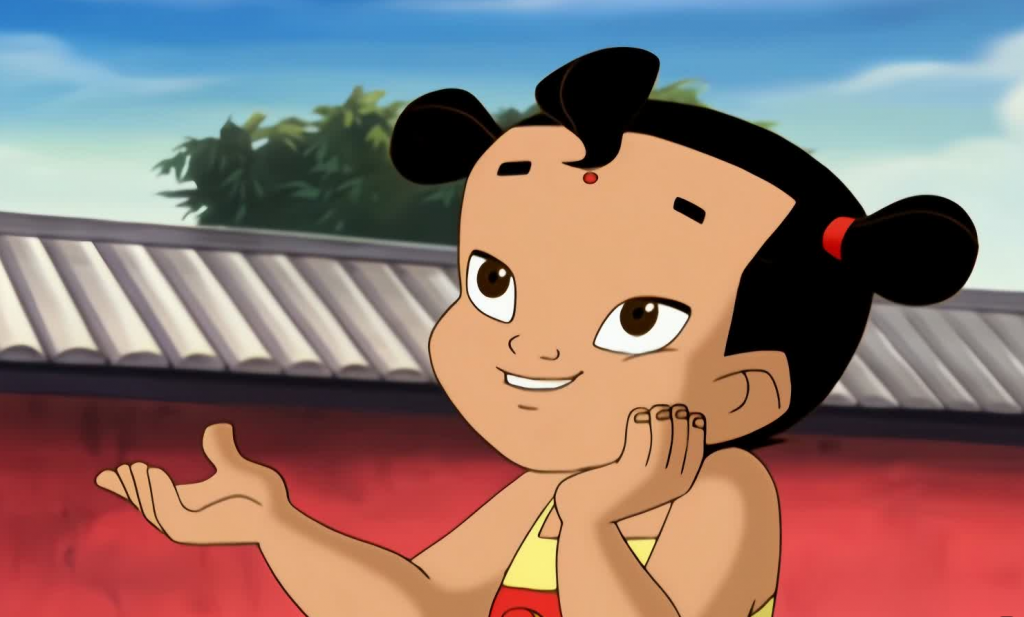
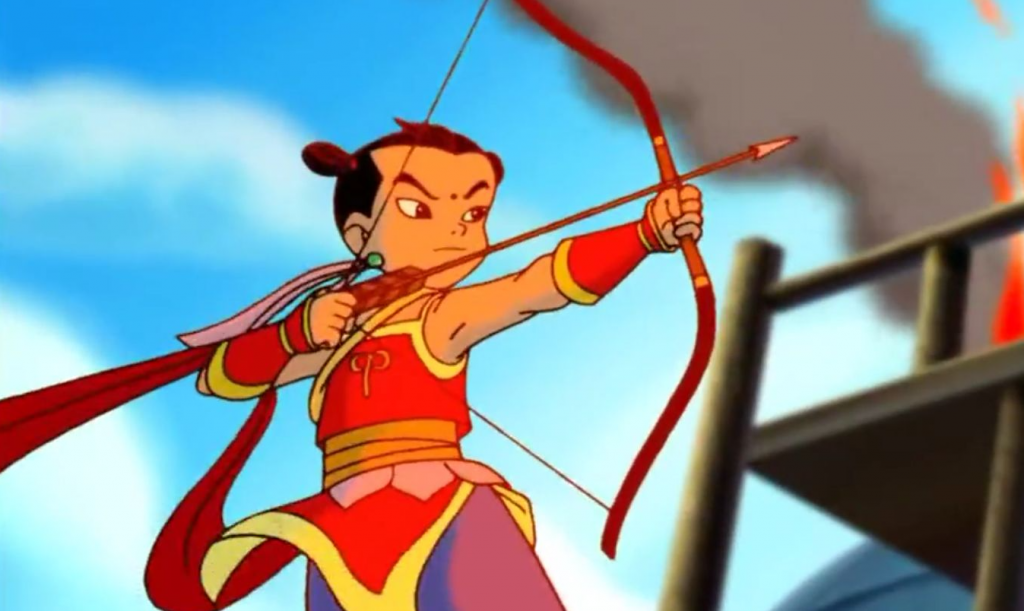
Compared to the 1979 version of Nezha, this one removes many violent and tragic elements. It portrays Nezha as a clever and mischievous little boy to convey the importance of bravery, wisdom, and teamwork. The series has strong educational value.
2019’s Nezha: The Demon Child Defying Fate and Seeking Identity
The 2019 3D CG film Nezha the Demon Child Comes into the World and its sequel, the 2025 film Nezha 2 break away from tradition by making Nezha a chaos pearl, who has been regarded as evil since he was born. Those two films focus on Nezha defying fate and seeking self-identity.
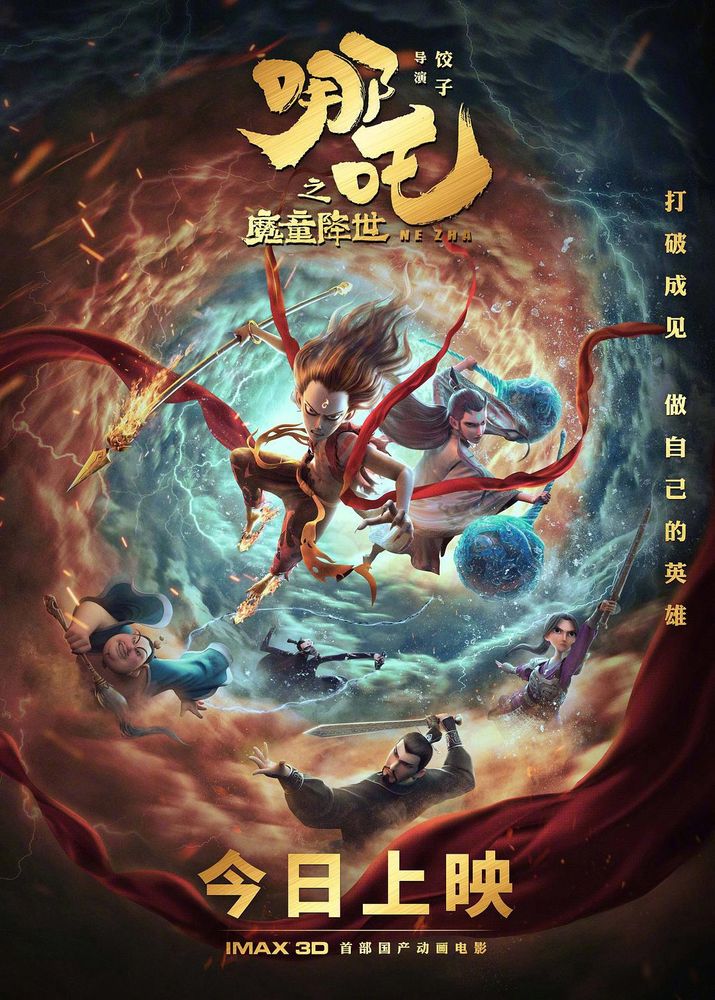
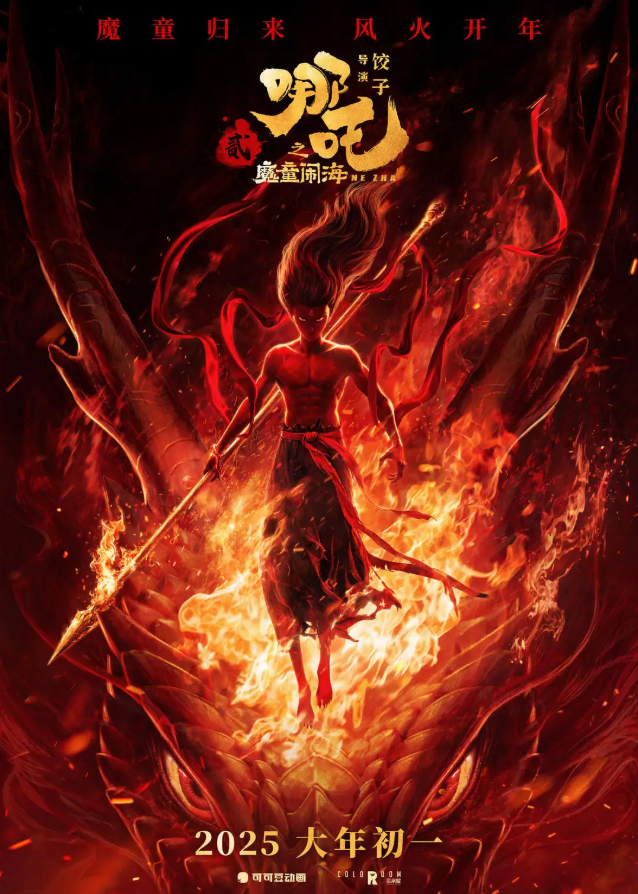
They emphasize the conflict between personal identity and societal expectations. And that makes Nezha more rebellious. Nezha’s character design features dark under-eye circles and messy hair. These adaptations change the core story from heroic fighting to personal growth.
However, since the second film hasn’t been released in the UK yet, I haven’t had a chance to check the details. I heard that they removed the part where Nezha sacrifices himself and returns his body to his parents. This scene implies radical resistance against patriarchy, I think they would have portrayed a stronger rebellious image of Nezha if they kept it.
Conclusion
By comparing different versions of Nezha stories, I find that the same mythological character or story shows different core themes. Earlier works are more faithful to the original narratives and emphasize moral education. Modern works, however, focus more on personal awareness, psychological development, and identity exploration.
This transformation not only reflects the evolution of the animation medium but also shows how society and audience tastes have shifted over time. Mythological stories, as cultural symbols, keep getting reinterpreted in different ways, which helps them stay fresh and meaningful in modern animation.
Reference
DENG Jin (2021) ‘1961-2019哪吒动画形象演变及其文化传播价值’, Movie Literature, Year 2021, Issue 7, pp.41-46
LIU Linru (2020) ‘神话与现实:中国动画电影的现代性改编——《哪吒闹海》《哪吒之魔童降世》等维比较’, Movie Review, Year 2020, Issue 11, pp.73-76
https://en.wikipedia.org/wiki/Nezha
https://en.wikipedia.org/wiki/Nezha_Conquers_the_Dragon_King
Leave a Reply